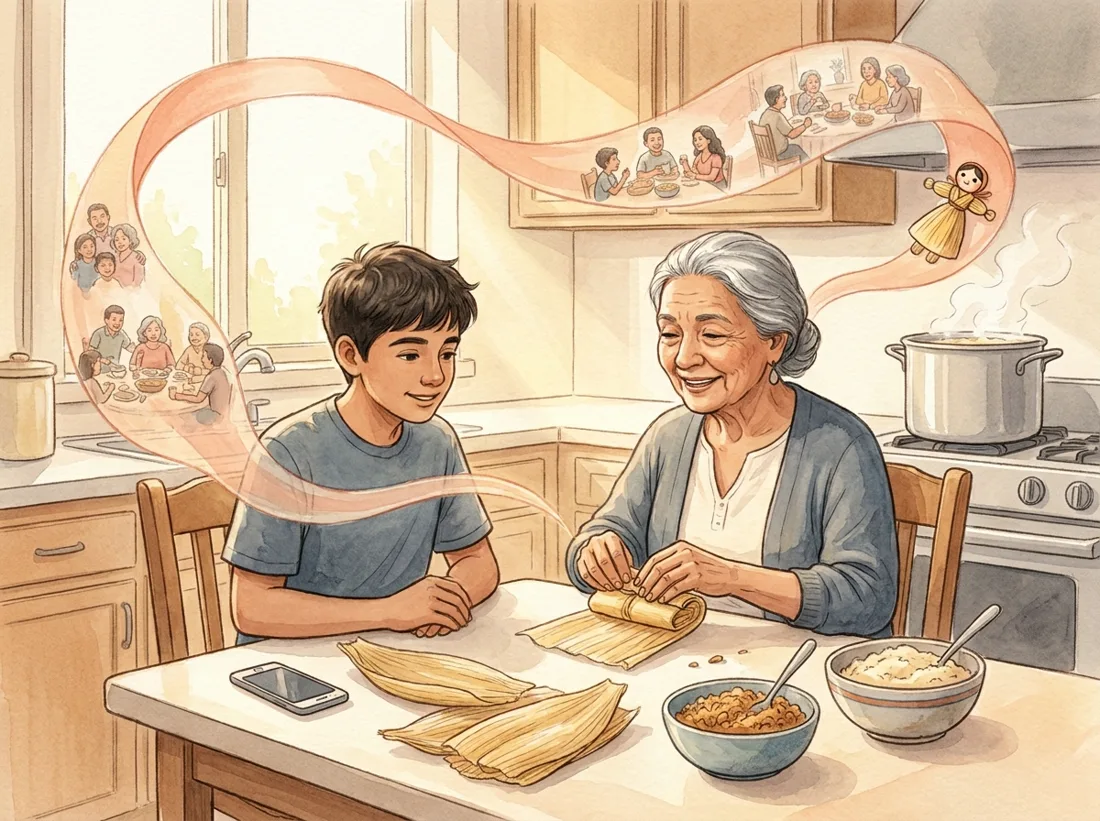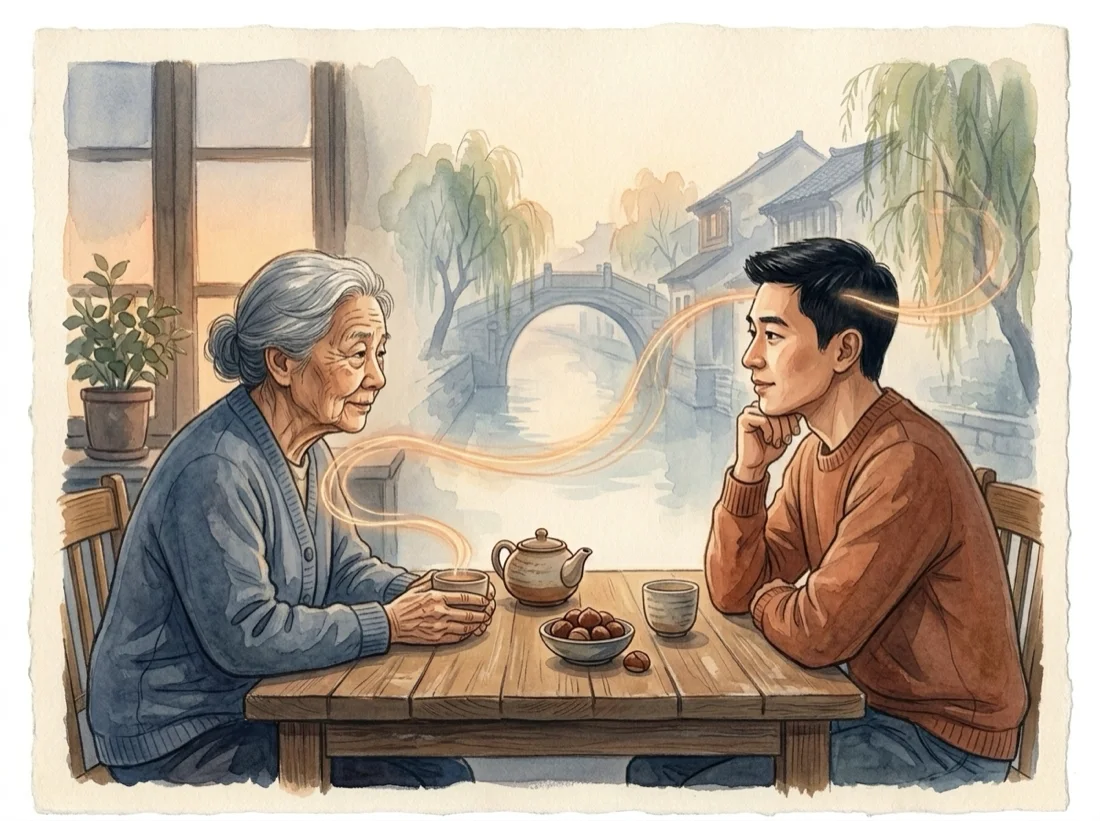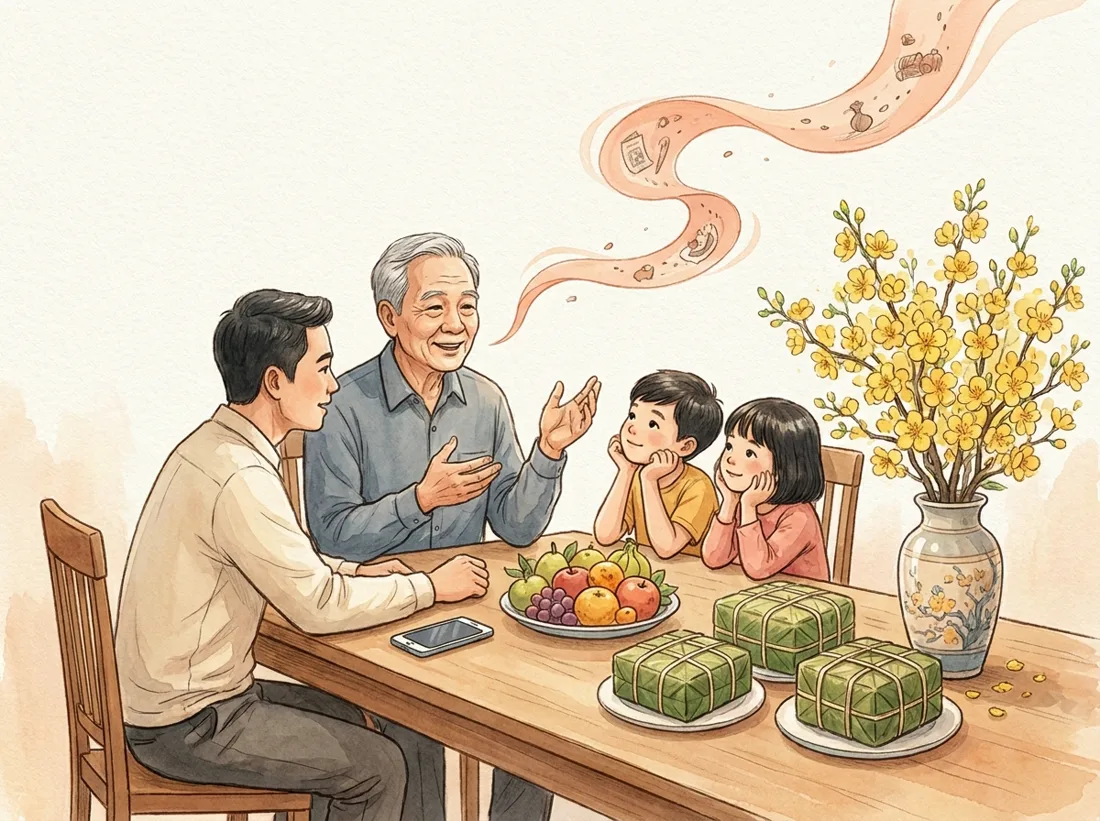
As Lunar New Year—Spring Festival (Chūnjié, 春节), Vietnamese Tết, or Korean Seollal (설날)—draws near, every child and child-in-law in the diaspora faces the same anxious question:
“What should we bring for Mom and Dad this year? What do we get for the in-laws?”
If you walk through any Asian supermarket or Chinatown market in the weeks leading up to the holiday, you see families hauling the standard seasonal arsenal:
- Heavy crates of Korean Asian pears, pomelos, or golden oranges.
- Tins of high-mountain oolong tea, bird’s nest, dried scallop, or Korean red ginseng.
- Expensive bottles of Remy Martin XO or Kweichow Moutai in velvet-lined boxes.
- Crisp hundred-dollar bills tucked into ornate red envelopes (hóngbāo, 红包; lì xì; sebaetdon, 세뱃돈).
Yet every adult child knows the awkward dance that happens the moment you hand these gifts across the threshold:
“Why did you spend so much money? Don’t buy these expensive things! We have everything we need. Save your money for your own family.”
(“干嘛买这么贵的东西?我们什么都不缺,钱留着给孩子用。” / “Đừng tốn tiền mua quà đắt tiền, ba mẹ có đủ rồi.” / “비싼 거 뭐하러 사 왔니? 다 있다. 너희나 잘 써라.”)
Within forty-eight hours, the tea tins are tucked behind canisters of cooking oil in the pantry. The ginseng box is carefully wiped down and set aside to be re-gifted to a visiting uncle during New Year house calls (bàinián, 拜年). And the red envelopes you pressed into your parents’ hands are secretly slipped back into your coat pocket or given to your own children as “lucky money from Grandma.”
For immigrant elders, frugality is not a habit—it was their survival shield. Having crossed oceans, endured displacement, or rebuilt their lives from absolute scratch, luxury consumer goods bring them little comfort.
What they crave far more deeply is knowing that their hardships were seen, their sacrifices were understood, and their voice will live on for the grandchildren who carry their blood.
Here is why traditional holiday gifts fall flat, why the annual Reunion Dinner is the most fertile storytelling moment of the year, and how to turn a red envelope into a permanent bilingual family heirloom.
The Annual Carousel of Obligation Gifts
Gifting in immigrant and multicultural families carries deep cultural weight. You want to honor filial piety (xiàoshùn, 孝顺; hyodo, 효도; hiếu thảo) and show sincere reverence to parents and in-laws. But the conventional gift categories run into predictable dead ends:
Common Lunar New Year Gift      The Reality Two Weeks Later
──────────────────────────      ───────────────────────────
Imported gift fruit crate   ──► Half eaten, rest bruised in the crisper drawer
Health supplements/ginseng  ──► Re-gifted to visiting aunts during house calls
High-end liquor or tea set  ──► Gathers dust atop the kitchen cabinet
Red envelope from children  ──► Slipped back to grandkids or deposited for college
1. The In-Law Gifting Dilemma
Shopping for your own parents is hard; shopping for in-laws can feel like walking a tightrope. You want to demonstrate deep respect without seeming presumptuous. When language or dialect barriers exist—such as when you speak English and conversational Mandarin, but your mother-in-law’s true emotional voice is Cantonese, Shanghainese, or Vietnamese—gift shopping often defaults to impersonal, expensive status items.
Yet material items do not close the emotional distance. What melts the awkwardness between generations and in-laws is genuine curiosity about who they were before you joined the family.
2. The Re-Gifting Economy
Because immigrant elders rarely consume luxury delicacies themselves, unopened boxes of bird’s nest, dried abalone, and herbal tonics circulate like currency between households during the two weeks of New Year visits. A box given to an aunt in Queens often resurfaces three weeks later at a cousin’s dinner table in New Jersey.
3. The Refusal of Cash
Handing a red envelope to parents is a beloved tradition, but among working-class or middle-class immigrant elders, receiving money from their children often triggers guilt: “They have a mortgage, they have childcare expenses—why are they giving us money?” The envelope often boomerangs right back to you before the evening ends.
The Magic of the Reunion Dinner Table
While material gifts struggle, Lunar New Year brings one unmatched, irreplaceable superpower: the Reunion Dinner (Niányèfàn, 年夜饭; Bữa cơm tất niên; Charye, 차례).
It is the one evening of the year when three—sometimes four—generations sit around the same table:
Grandparents & In-Laws           Adult Children                  Grandchildren
(Elders at the Head)             (The Bridge Generation)         (English-Fluent Youth)
──────────────────────           ───────────────────────         ─────────────────────
Reminiscing in native tongue     Translating across languages    Eating dumplings, listening
Remembering village feasts       Pouring tea, prompting stories  Curious about old days
Something magical happens when elders smell the simmering hot pot, the steamed whole fish (niánnián yǒuyú, 年年有余), the fragrant bánh chưng, or the steaming bowls of rice cake soup (tteokguk, 떡국). Food unlocks long-term sensory memories faster than any abstract question:
- Your father-in-law suddenly recalls the winter of 1968, when his entire village made firecrackers by hand using recycled newspaper.
- Your mother remembers how her grandmother stretched a single cup of brown sugar to make sweet New Year rice cake (niángāo, 年糕) for eight hungry siblings.
- Your mother-in-law laughs about the first time she tried to cook a traditional holiday feast in an American apartment where the smoke alarm went off every five minutes.
These stories are pure gold. They are funny, tender, and profound.
And yet, in 99% of families, when the dinner plates are cleared and the leftovers are packed into plastic containers, those stories vanish into thin air. Nobody pressed record. Nobody wrote them down. A year later, everyone remembers that Grandpa told a hilarious story about a bicycle, but nobody remembers the details.
The Solution: A Red Envelope That Preserves Their Life
Instead of handing your parents another box of fruit or a department store sweater, imagine handing them an ornate red envelope with a small, beautifully printed card inside:
“Mom, Dad—this year, our gift to you is your story. We want to hear about your childhood, your journeys, and everything you built for us. Lana will call your phone once a week for 10 minutes so our children will always know where they came from.”
Reunion Dinner Table             Weekly Routine                  Keepsake Result
────────────────────             ──────────────                  ───────────────
Slip Heardloom card in       ──► Lana calls their phone      ──► Bilingual hardcover book
red envelope; record first       weekly in their native          with sentence-level audio
10-min memory over tea           language (Mandarin/Viet/etc)    delivered for the whole family
1. Zero Tech Friction for Elders
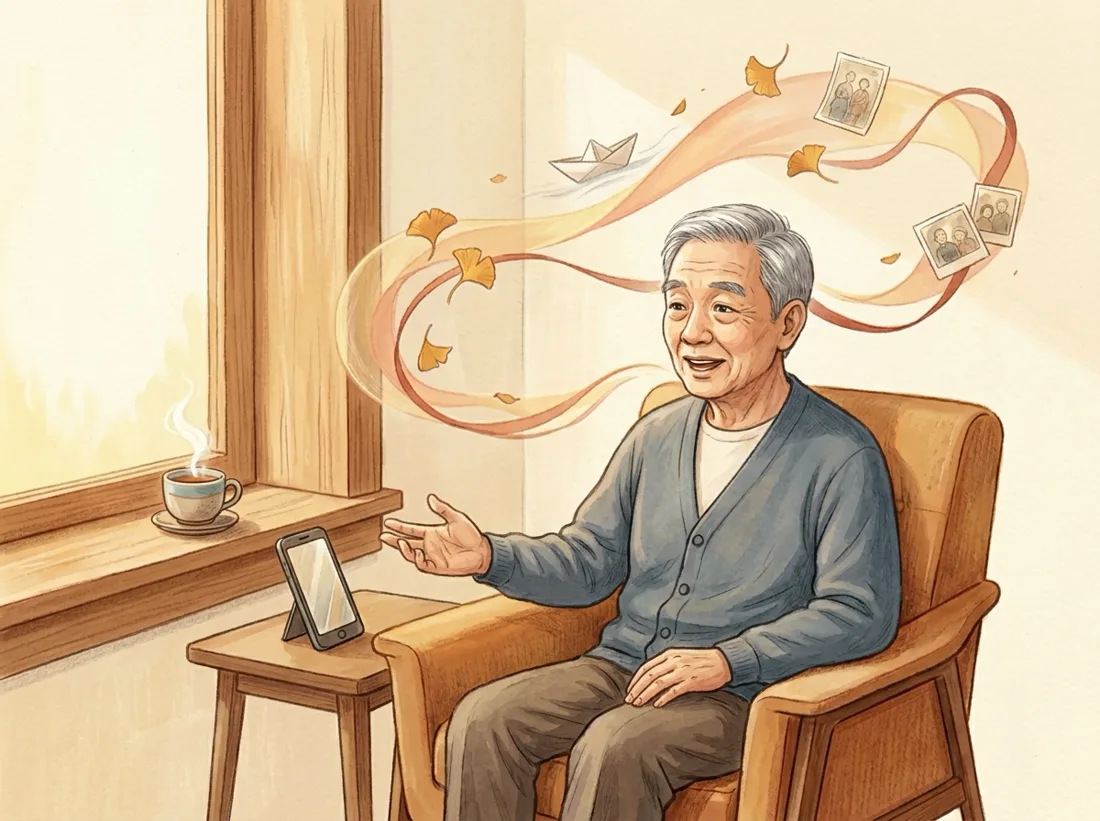
Your parents and in-laws do not need to install an app, navigate touchscreens, or type anything. Heardloom can call their existing home landline or mobile phone at a recurring day and time that suits their routine (such as Tuesday mornings at 10:00 AM after morning tea). All they do is pick up the handset and talk comfortably.
2. Lana Speaks Their Native Heart Language
Elders express nuance, humor, and emotion in their mother tongue. Lana, our conversational AI interviewer, is fluent in Mandarin, Cantonese, Korean, Vietnamese, Tagalog, Spanish, and English. She uses culturally appropriate honorifics and a warm, unhurried cadence. If your mother-in-law pauses to remember a village name, Lana waits respectfully without interrupting.
3. A Bridge for In-Laws and Grandchildren
The biggest heartbreak in diaspora families is the language barrier: grandchildren who only speak English cannot hold deep conversations with grandparents who only speak Cantonese or Vietnamese.
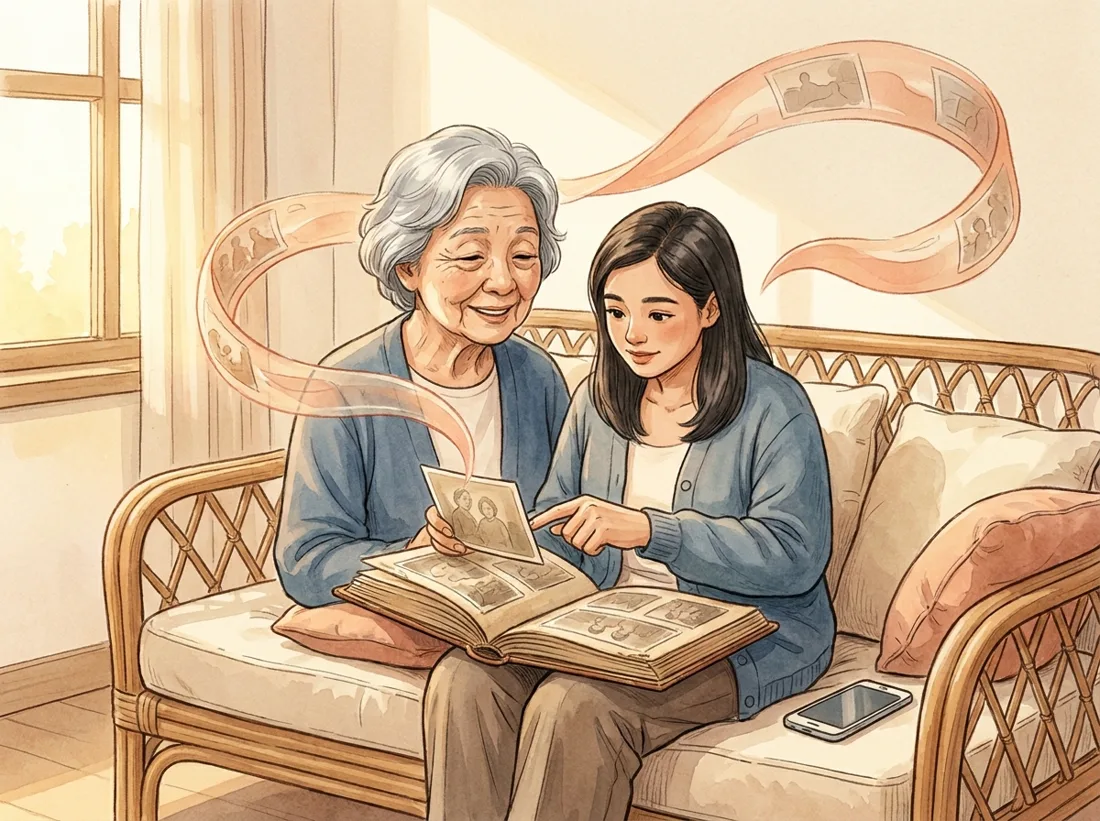
Heardloom solves this completely. When an elder speaks in their heritage language, Heardloom creates a side-by-side bilingual chapter. The grandchild can read the story in clean, engaging English, while tapping any paragraph to hear their grandparent’s real spoken voice. For in-laws, this provides an effortless, intimate window into their spouse’s family roots.
4. Cross-Session Memory That Grows
Lana doesn’t start from scratch every week. She remembers past conversations and understands authentic cultural kinship systems. If your father mentions his older brother (Dàbó, 大伯) during the New Year dinner recording, Lana will follow up three weeks later: “Mr. Lin, last month you mentioned your older brother helped you buy your first train ticket out of the village. What did he say to you on the platform?”
15 Reunion Dinner Questions to Spark Unforgettable Stories
At the New Year dinner table, avoid generic prompts like “Tell us about your life.” Instead, use these 15 holiday-specific sensory prompts to get parents and in-laws talking:
- What did Lunar New Year look like in your hometown village when you were seven or eight years old?
- What was the one special holiday dish your family only made once a year because the ingredients were so precious?
- How did your family afford or make new clothes (xīnyī, 新衣) or shoes for the New Year when you were growing up?
- What is the most memorable red envelope you ever received as a child, and what did you spend the money on?
- What kind of firecrackers, lanterns, or neighborhood games did children play around the holiday?
- How did your mother or grandmother prepare the house in the days leading up to New Year’s Eve?
- What was the very first Lunar New Year you celebrated away from your parents, and who did you celebrate with?
- Can you tell us about your first New Year after immigrating here—what ingredients couldn’t you find, and how did you adapt the feast?
- What is a family superstition, taboo, or blessing that your parents strictly enforced during the first three days of the year?
- How did you and Mom/Dad celebrate your first New Year together after getting married?
- How did your village celebrate the Lantern Festival (Yuánxiāojié, 元宵节) to close out the holiday celebrations?
- What smell or dish on our dinner table tonight reminds you most strongly of your own mother’s kitchen?
- What was the coldest or most difficult winter your family ever lived through, and how did you keep each other warm?
- What was your biggest secret dream or ambition for the future when you were twenty years old?
- Looking around this table at your children, in-laws, and grandchildren tonight, what brings you the deepest pride?
(Find over 100 more categorized heritage prompts in our family oral history question bank.)
How to Introduce Heardloom Over the Reunion Dinner
Here is how families successfully launch Heardloom during the holiday without turning dinner into an awkward interview:
Step 1: The Red Envelope Presentation
Place the Heardloom gift notice inside a traditional red envelope. Present it to your parents or in-laws alongside tea. Explain that this is a project for the grandchildren: “We want the kids to always know where our family comes from, and we want to preserve your voice.” When framed as an heirloom for the younger generation, even the most modest elders gladly agree.
Step 2: The 10-Minute Table Spark
Don’t try to record their entire biography in one sitting. After the main courses are finished and tea or fruit is served, open Heardloom on your phone and tap Start Session. Choose one fun, food-related prompt from the list above:
“Mom, tell the table about how Grandma used to steam the New Year rice cakes in the clay stove.”
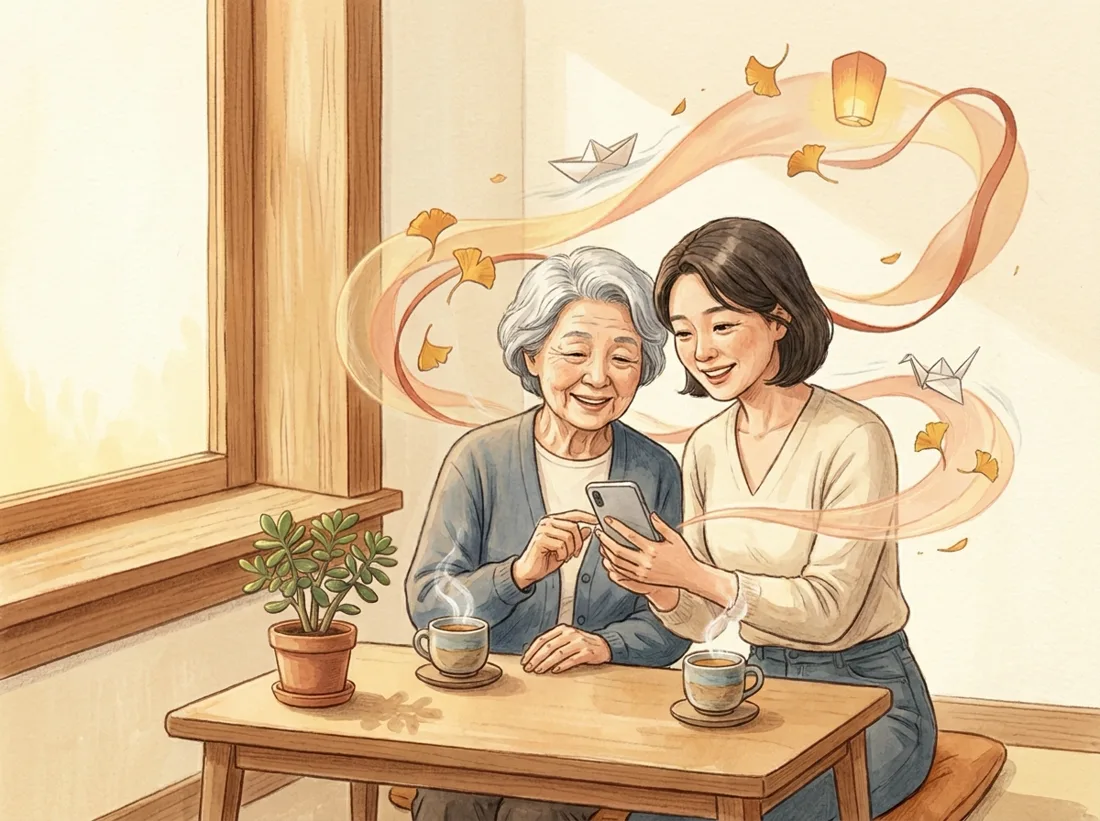
Pass the phone gently to the center of the table. Let Lana ask one or two gentle follow-ups. Within ten minutes, you will have captured their laughter, their dialect terms, and an unforgettable story.
Step 3: Let Lana Carry the Routine
After the holiday concludes and everyone returns home, you don’t need to nag your parents. Lana will ring their home phone on a weekly schedule. Week by week, a 10-minute Sunday call builds an extraordinary 12-chapter bilingual family autobiography.
Comparing Lunar New Year Gifts for Parents & In-Laws
| Feature | Dried Seafood / Fruit Crate | Cash Red Envelope | English Typing Memoir (Storyworth) | Heardloom Oral History Archive |
|---|---|---|---|---|
| Lasting Value | 1–2 weeks (eaten or re-gifted) | Spent on groceries or returned | Abandoned if elder cannot type | Permanent hardcover book & audio archive |
| Effort for Elder | None | None | High (typing weekly English essays) | Zero (speaks on their regular phone) |
| Language Support | N/A | N/A | English text only | Native Mandarin, Cantonese, Korean, Viet, etc. |
| Generational Bridge | Zero connection | Zero connection | English text only | Side-by-side native script + English + audio |
| Preserves Authentic Voice | ❌ No voice captured | ❌ No voice captured | ❌ No voice captured | ✅ Sentence-by-sentence authentic audio clips |
| In-Law Accessibility | Impersonal | Awkward across cultures | Frustrating barrier | Deeply respectful & cross-translated |
| Family Collaboration | One-way gift | One-way gift | Solo author | Entire family submits prompts & photos |
Give the Gift of Being Remembered
The red lanterns will eventually come down. The tangerines will be eaten, and the sweet rice cakes will be finished. But the stories your parents and in-laws carry—the journeys they braved, the sacrifices they endured, and the laughter that carried them through foreign winters—are the true inheritance of your family.
Years from now, your children will not remember what brand of tea you bought for their grandparents.
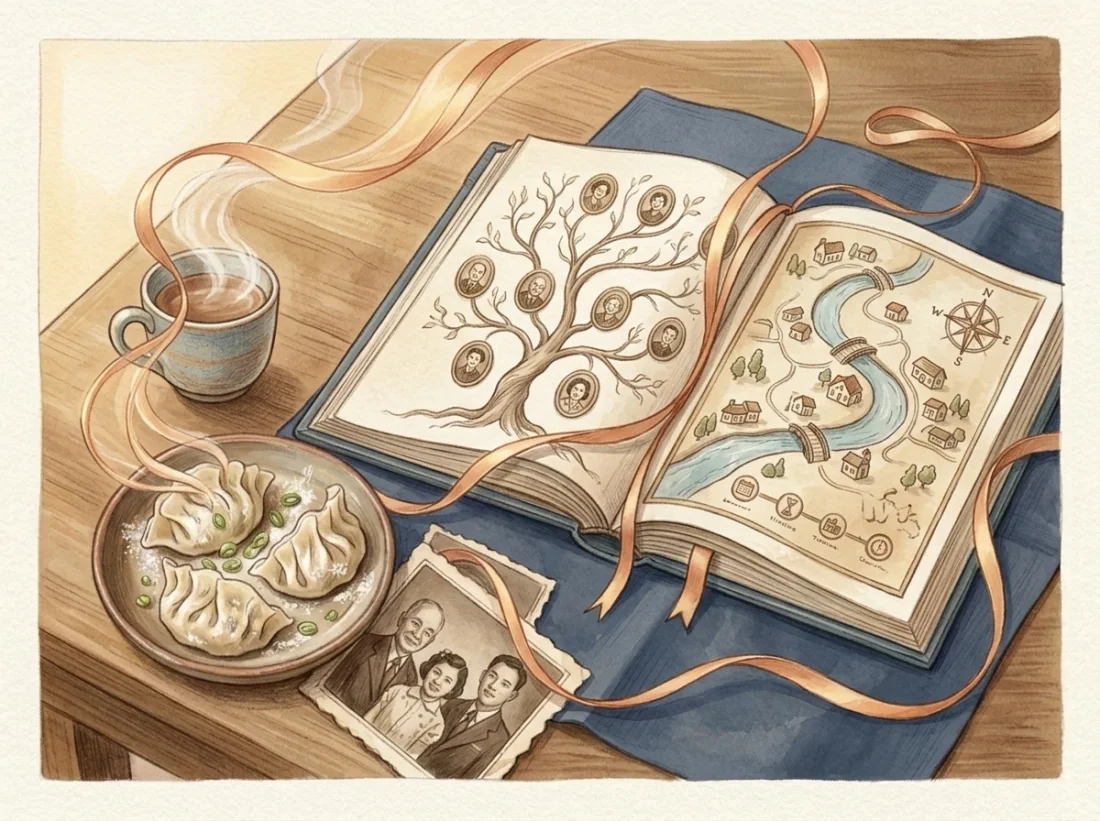
What they will hold in their hands is a stunning linen hardcover book detailing their family roots. And when they tap on a page, they will hear their grandparents’ voices—warm, patient, and full of life—speaking to them across the generations.
Give your family a gift worthy of your roots this Lunar New Year.
Listen to a sample bilingual story on our demo page, learn how to record grandparents by phone, or start your family’s first free story on Heardloom today.